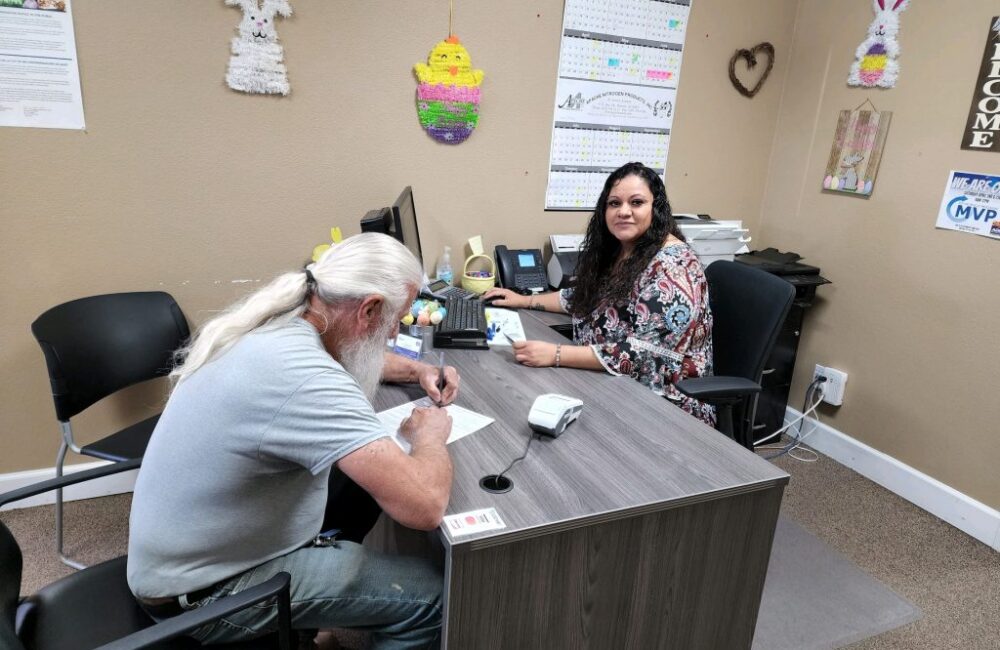

The Motor Vehicle Division (MVD) is an essential government agency responsible for overseeing the administration of driver licensing, vehicle registration, and traffic safety regulations in the United States. For drivers, the MVD plays a critical role in ensuring that they are legally permitted to operate their vehicles and that their vehicles are registered and properly maintained. Despite its importance, many drivers may not be fully aware of the MVD’s services and regulations, making navigating the agency daunting.
This blog post will give you everything you need about the Motor Vehicle Division. We’ll cover the services offered by the MVD, its role in driver licensing, the types of penalties that can be imposed, and how to prepare for your visit. By the end of this post, you will better understand the MVD and be better equipped to navigate its services and regulations.
What is the Motor Vehicle Division?
The Motor Vehicle Division (MVD) is a government agency overseeing driver licensing and vehicle registration in the United States. The MVD’s primary function is to ensure that drivers are licensed, and vehicles are registered according to state and federal regulations.
The MVD’s responsibilities vary from state to state, but generally, it oversees issuing driver’s licenses, vehicle registration, and vehicle titling. It also manages the administration of driving tests, vehicle inspections, and the enforcement of traffic laws.
In most states, the MVD is part of the Department of Transportation (DOT), responsible for the country’s transportation infrastructure. The MVD works closely with other agencies and law enforcement to ensure drivers and vehicles comply with state and federal laws.
In addition to its core responsibilities, the MVD may offer additional services, such as issuing identification cards, registering boats and trailers, and providing specialty license plates.

Services Offered by the Motor Vehicle Division
The services offered by the Motor Vehicle Division (MVD) vary from state to state, but generally, the MVD oversees issuing driver’s licenses, vehicle registration, and vehicle titling. In addition to these core services, the MVD may offer additional services to meet the community’s needs.
Here are some of the services offered by the MVD:
- Driver’s Licenses: The MVD is responsible for issuing driver’s licenses and identification cards. This includes administering written and road tests, issuing licenses and ID cards, and suspending or revoking licenses for individuals who violate traffic laws.
- Vehicle Registration: The MVD oversees the registration of vehicles in the state. This includes issuing license plates, renewing registrations, and transferring ownership of vehicles.
- Vehicle Titling: The MVD is responsible for issuing vehicle titles that prove vehicle ownership. This includes transferring titles when a vehicle is sold or inherited and issuing new titles when a vehicle is newly purchased.
- Vehicle Inspections: Some states require periodic vehicle inspections to ensure that vehicles are safe and meet emissions standards. The MVD may oversee or administer these inspections.
- Specialty License Plates: Many states offer specialty license plates for various causes or interests, such as military service, conservation, or education. The MVD may oversee the issuance of these plates.
- Boats and Trailers: In some states, the MVD is responsible for registering boats and trailers. This includes issuing registration stickers and titles and enforcing boating laws.
- Identification Cards: Besides driver’s licenses, the MVD may issue identification cards for individuals who do not have a driver’s license but need a form of identification.
These are just a few services the Motor Vehicle Division may offer. Some states may provide additional services, such as commercial driver’s licenses, driving record requests, or online services. The MVD plays an essential role in ensuring that drivers and vehicles comply with state and federal laws, and the services it offers are critical to the functioning of our transportation system.
Understanding the Motor Vehicle Division’s Role in Driver Licensing
Driver licensing laws vary from state to state, but the MVD is responsible for administering and enforcing these laws. Here are some ways that the MVD is involved in driver licensing:
- The MVD is responsible for administering driver’s license tests, including written and road tests. These tests assess a driver’s knowledge of traffic laws and ability to operate a vehicle safely.
- After a driver passes the required tests, the MVD issues a driver’s license, a legal document granting permission to operate a motor vehicle. The MVD may also issue learner’s permits or provisional licenses, restricting driving privileges.
- Driver’s licenses are typically valid for a specific period, such as four or eight years. The MVD is responsible for renewing driver’s licenses before they expire, which may involve taking additional tests or providing updated personal information.
- If drivers violate traffic laws or commit other offenses, their license may be suspended or revoked. The MVD is responsible for enforcing these suspensions and revocations, which may require the driver to attend traffic school, pay fines, or complete other requirements before their license can be reinstated.
- The MVD maintains records of driver’s licenses, including driving records and a history of violations. This information is used to assess a driver’s safety record and determine eligibility for certain licenses, such as commercial ones.
Types of penalties imposed by the Motor Vehicle Division
The Motor Vehicle Division (MVD) is responsible for enforcing traffic laws and regulations related to driver licensing, vehicle registration, and vehicle safety. When drivers violate these laws and regulations, the MVD may impose penalties to encourage compliance and ensure road safety. Here are some types of penalties that the MVD may impose:
- Driver’s License Suspension: The MVD may suspend a driver’s license if the driver violates traffic laws, such as driving under the influence of drugs or alcohol, driving with a suspended license, or accumulating too many points on their driving record. During a suspension, the driver may not legally operate a motor vehicle.
- Driver’s License Revocation: In some cases, the MVD may revoke a driver’s license, which permanently revokes the driver’s privilege to operate a motor vehicle. This may occur if a driver is convicted of a serious offense, such as vehicular homicide or repeated drunk driving.
- Fines: The MVD may impose fines for violations of traffic laws or regulations related to driver licensing or vehicle registration. Fines may vary depending on the severity of the offense and may be assessed along with other penalties, such as license suspension or revocation.
- Points on Driving Record: In many states, the MVD assigns points to a driver’s record for violations of traffic laws. Accumulating too many points can result in license suspension or revocation.
- Mandatory Education or Treatment: The MVD may require drivers who violate traffic laws to attend traffic school or complete other education or treatment programs. This is intended to educate drivers about traffic laws and encourage safe driving behaviors.
- Vehicle Impoundment: The MVD may impound a vehicle if the driver violates traffic laws or does not have valid registration or insurance. The vehicle may be impounded until the driver complies with the necessary regulations.
How to Prepare for Your Motor Vehicle Division Visit
Visiting the Motor Vehicle Division (MVD) can be a daunting experience, especially if you are unprepared. However, with a little preparation, you can make your visit go smoothly and efficiently. Here are some tips on how to prepare for your MVD visit:
- Know the Purpose of Your Visit: Before you go to the MVD, make sure you know the purpose of your visit. If you are renewing your driver’s license, for example, make sure you have all the necessary documents and information, such as your current license, proof of identification, and proof of residency. Knowing what you need in advance will save you time and frustration.
- Check the MVD Website: The MVD website may have information on the required documents for your specific purpose. Check the website before you go to ensure you have everything you need.
- Make an Appointment: Depending on the MVD location, an appointment may be an option. If so, make an appointment to avoid long wait times. You can often make an appointment online or by phone.
- Bring the Necessary Documents: Make sure you bring all the necessary documents and information for your visit. This may include proof of identification, proof of residency, proof of insurance, and any other documents required for your specific purpose.
- Have Payment Ready: The MVD may require payment for their services, such as license renewal or vehicle registration. Ensure you have the necessary payment method, such as cash, credit card, or check.
- Arrive Early: Arriving early will ensure you have enough time to complete your transaction, especially with long wait times.
- Be Patient: Visiting the MVD can be a time-consuming process. Be patient and courteous to the MVD staff and other visitors. Remember, they are there to help you.
Following these tips can make your MVD visit go smoothly and efficiently. Remember to be prepared, patient, and courteous; your visit will succeed.
Conclusion
In conclusion, the Motor Vehicle Division (MVD) is crucial in promoting safe and responsible driving practices, ensuring that vehicles are properly registered and maintained, and issuing driver’s licenses to qualified individuals. With its wide range of services, the MVD touches the lives of millions of people across the United States, and drivers must be aware of the rules and regulations surrounding vehicle registration, driver licensing, and traffic safety.
At MVP, they understand the importance of completing your MVD transactions smoothly and efficiently. With their years of experience working with the MVD, they can help you get through your visit as quickly and painlessly as possible. Contact them today to learn more about their services!